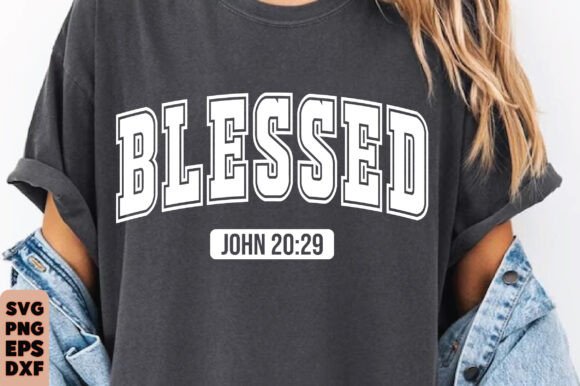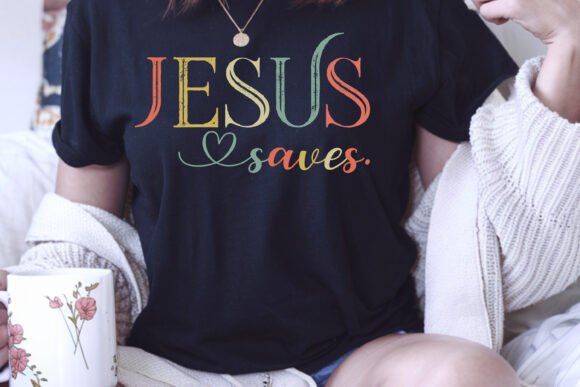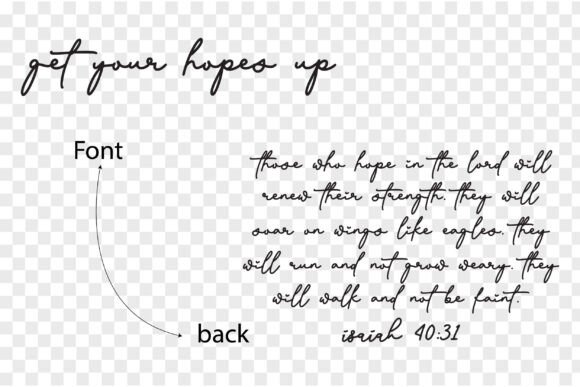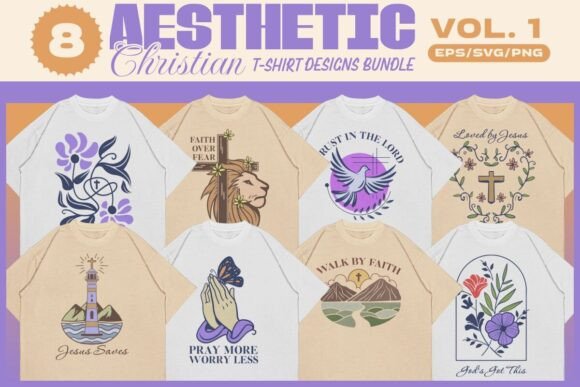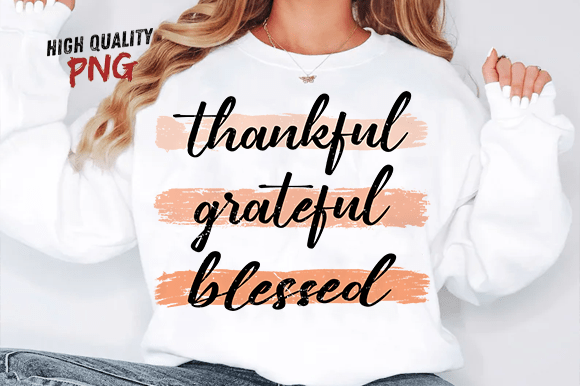
Thankful Grateful Blessed Christian PNG
A Quiet, Warm Design That Earns Its Place on Real Embroidered Goods
Let’s be honest: “Thankful Grateful Blessed” designs flood the market — many are rushed, over-embellished, or feel more like clipart than embroidery-ready art. So when I opened Thankful Grateful Blessed Christian PNG, I wasn’t expecting much. What I found was a refreshingly grounded, balanced composition — clean lines, intentional spacing, and a gentle rhythm in the lettering that feels handmade, not algorithmic. It reads as sincere, not performative. That matters — especially when you’re stitching it onto a baby blanket for a new mom or embroidering it onto a linen tea towel for a boutique shelf.
Where This Design Naturally Lives (and Why)
I recently used Thankful Grateful Blessed Christian PNG on a natural cotton tote bag for a local church’s fall outreach event. The design sat beautifully centered on the front panel — not too tall, not too wide — with breathing room around each word. No crowding. No awkward kerning. It didn’t compete with the fabric; it complemented it. That’s the sign of thoughtful design intent.
This isn’t a bold statement piece meant for chest logos on athletic wear. It’s better suited for projects where softness and sincerity carry the weight: embroidered pillow covers for nursery decor, minimalist sweatshirt fronts for women’s ministry groups, delicate applique patches on denim jackets, or even stitched onto the hem of a baby onesie. As a T-Shirt Designs asset, it works best on relaxed-fit tees, organic cotton blends, or lightweight linen — fabrics that let the message land gently, not loudly.
What Holds Up Under the Needle — and What Needs Attention
In real stitching, Thankful Grateful Blessed Christian PNG behaves predictably. The letterforms are generous — no micro-thin strokes or fragile serifs that vanish under satin stitch. I ran it on midweight cotton twill (for a patch) and on fleece-lined sweatshirt fabric — both came out crisp, with even fill stitch coverage and no thread nesting in the curves.
That said, it’s not universally forgiving. On highly textured fabrics like bouclé or thick terry cloth, the subtlety of the script gets lost. On stretchy knits — think ribbed baby bodysuits or performance tees — you’ll need a firm cutaway stabilizer and possibly reduced stitch density to avoid puckering. And if you’re planning to use it on dark fabric, test your thread colors first: light ecru or heather gray thread reads warmly but can fade into charcoal; a soft navy or deep olive gives richer contrast without shouting.
Use With Care On:
- Small hoop sizes (under 4" diameter) — the full phrase needs space to breathe
- Curved surfaces like caps or beanies — the layout isn’t optimized for front-panel cap curvature
- Frequent-wash items like kitchen towels or baby bibs — confirm stitch density supports durability; consider reinforcing with a running stitch outline if needed
- Thin or sheer fabrics — without proper stabilizer, the fill areas may show through or distort
- Layered garments (e.g., hoodies with thick pockets) — test placement to avoid distortion from uneven backing
How It Shapes Perception — Before and After Stitching
Customers don’t just buy words — they buy feeling. When someone sees this stitched cleanly on a handmade apron or a holiday gift box, it signals care, intention, and quiet faith — not cliché. That elevates perceived value. I’ve watched buyers pause longer on items featuring this design in my Etsy shop, especially when paired with natural fibers and neutral tones. It doesn’t scream “Christian product”; it invites reflection. That builds trust — especially with discerning craft buyers who avoid mass-produced sentimentality.
For small shop owners and creative entrepreneurs, that nuance matters. It fits seamlessly into cohesive branding — say, a line of slow-made home goods or a curated collection of personalized gifts for milestone moments. It doesn’t clash with botanical motifs, hand-lettered tags, or linen packaging. In fact, it enhances them.
Practical Designer Notes — From My Hoop to Yours
Before you stitch Thankful Grateful Blessed Christian PNG on a client order or your next batch of wholesale items, here’s what I always do:
- Test on scrap fabric — same weight, same weave, same color as your final piece
- Check thread color contrast in natural light and under store lighting (especially important for boutique retail)
- Review stitch density — if it feels heavy for your fabric, reduce density by 5–10% in your editing software
- Confirm hoop size compatibility — measure the design’s bounding box before loading
- Inspect small details — particularly where “grateful” meets “blessed” — ensure no unintended overlaps or gaps
- Test black-and-white mockups — helps spot contrast issues early
- Compare light vs. dark backgrounds — some thread shades behave differently on cream versus navy
- Use appropriate stabilizer — tear-away for stable wovens, cutaway for knits or stretchy blends
- Verify licensing — especially if selling finished products or bundling as part of a digital embroidery bundle
Final Thought: A Design That Serves the Maker and the Message
Thankful Grateful Blessed Christian PNG won’t wow with flash — and it’s not meant to. Its strength is in reliability, warmth, and quiet clarity. It stitches cleanly. It photographs well. It resonates with real people buying real handmade products — whether for themselves, their families, or their communities. For embroidery designers, Etsy sellers, and small shop owners building a brand rooted in authenticity, it’s not just another machine embroidery design. It’s a thoughtful tool — one that supports your craft, honors your values, and lands with grace on every finished product.