Sassy Christian Jesus Disappointments T-Shirt Designs
As a brand designer who’s helped over 200 small businesses refine their visual voice—and as a content marketer who’s shipped campaigns across Instagram, Pinterest, email, and digital ads—I opened the Sassy Christian Jesus Disappointments graphic design asset with cautious curiosity. Not because I doubted its creative spark, but because tone-sensitive assets like this live or die by context. In a real-world project—say, launching a faith-forward lifestyle brand’s limited-edition merch line—I needed to know: does this design deepen audience trust while staying true to brand values? Does it elevate rather than distract?
First Impression: Witty, Warm, and Unapologetically Human
The Sassy Christian Jesus Disappointments design lands with a grin—not a smirk, not a sneer, but a knowing, shoulder-shrug kind of humor. It balances reverence with relatability, using expressive line work and confident typography to signal “I’m spiritually grounded *and* emotionally honest.” That duality makes it ideal for brands serving modern believers: online coaches building discipleship courses, bloggers curating grace-filled mental health content, or small business owners selling handmade worship journals and enamel pins. It feels handmade but polished—perfect for lifestyle branding, seasonal offers (think Easter merch drops or Lenten reflection kits), or editorial graphics in faith-based newsletters.
Where It Shines in Real Marketing Workflows
This isn’t just a clipart file—it’s a flexible creative design that slots cleanly into multiple touchpoints:
- Social media graphics: Stands out in Instagram carousels and Pinterest pins without needing heavy filters or overlays—its contrast and rhythm create instant visual hierarchy.
- Packaging design & product labels: Works beautifully on kraft mailers, sticker sheets, or tissue paper inserts for subscription boxes targeting Christian creatives.
- Digital ads & email banners: Performs well at 1200×628px (Facebook/LinkedIn) and 1080×1080px (Instagram feed)—no pixelation, clean edges, strong focal point.
- Canva templates & content bundles: Easily layered into branded Canva templates for lead magnets (e.g., “5 Ways to Embrace Imperfect Faith” PDFs) or media kits for podcast guests.
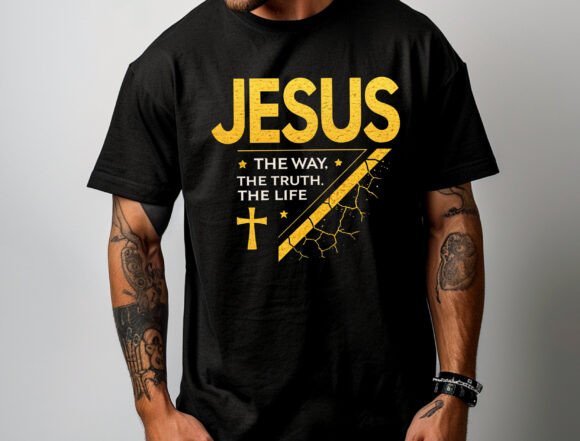
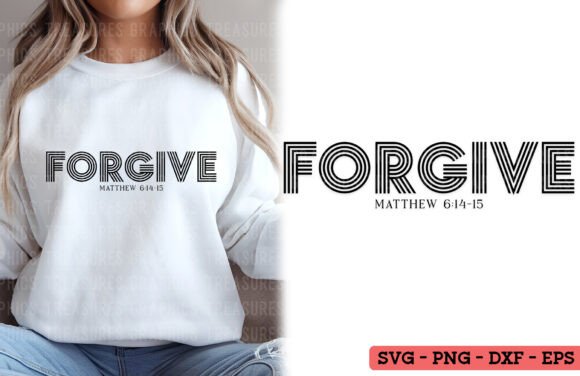
- Merchandise & printable design: As T-Shirt Designs, it scales cleanly from youth small to plus-size XL; also translates well to tote bags, mugs, and digital product visuals like Zoom backgrounds or Notion dashboard headers.
How It Supports Core Branding Goals
In practice, Sassy Christian Jesus Disappointments delivers measurable value: it strengthens first impression by cutting through visual noise with personality; sharpens visual hierarchy by anchoring layouts with expressive illustration; and builds audience trust by signaling emotional intelligence—not just theological correctness. For small business branding, it helps differentiate from overly solemn or overly trendy competitors. When paired with warm neutrals (oat, clay, deep sage) or soft pastels, it reads as modern design—not meme culture. And because it avoids caricature, it fosters stronger recognition and emotional connection across platforms, especially where authenticity drives engagement.
Best Fit Use Cases
This graphic design asset excels as:
- Hero graphics for faith-based landing pages or product launch announcements
- Campaign headers for email sequences or blog series on spiritual resilience
- Branded templates for social media managers posting weekly devotionals
- Social media covers (especially Facebook and LinkedIn) for ministry-led coaching businesses
- Packaging accents on thank-you cards or order inserts for Christian e-commerce brands
- Decorative brand elements inside editorial layouts—think magazine-style faith blogs or digital zines
Where to Use It Thoughtfully
Like any high-character design bundle, Sassy Christian Jesus Disappointments requires intentionality. Avoid deploying it in formal corporate branding (e.g., church annual reports or denominational websites), dense information layouts (like comparison charts or legal disclaimers), or low-contrast backgrounds where legibility suffers. It’s less effective in text-heavy Facebook ads or tiny mobile thumbnails—always preview at 30% size before finalizing. Also reconsider if your brand leans into serene minimalism or monochrome elegance; this asset thrives in warmth, texture, and expressive space—not austerity.
Practical Brand Designer Notes
Before dropping Sassy Christian Jesus Disappointments into production, run these checks:
- Test it against your full brand color palette—does it harmonize with your primary and secondary hues, or does it clash in unexpected ways?
- Check black-and-white usage: print it on uncoated paper, convert to grayscale, and verify readability and tonal balance.
- Place it inside real campaign mockups—try it on a t-shirt mockup, Instagram Story frame, and Canva newsletter template.
- Preview on mobile screens: does the expression hold up at 200px width? Is key text still scannable?
- Compare it side-by-side with top-performing competitor visuals—does it feel distinct yet credible?
- Pair it with serif, sans serif, script, handwritten, and display fonts—note which combinations elevate vs. compete.
- Review spacing and balance: does it breathe beside body copy, or does it overwhelm adjacent elements?
- Confirm commercial license status—this is essential for paid campaigns, client deliverables, or any use tied to revenue generation.
A Strategic Asset for Creative Entrepreneurs
For content creators, digital sellers, and faith-aligned product creators, Sassy Christian Jesus Disappointments is more than a PNG or SVG design—it’s a tone-setting tool. It bridges theological depth with cultural fluency, making it especially powerful for brands building community around honesty, growth, and joyful imperfection. Whether you’re designing a new digital product, refreshing your Pinterest strategy, or building a cohesive merch line, this asset supports professional branding without sacrificing soul. Used intentionally, it doesn’t just decorate—it communicates, connects, and converts.