How Sweet the Sound Christian
A Designer’s First Glance: Quiet Reverence, Not Flashy Devotion
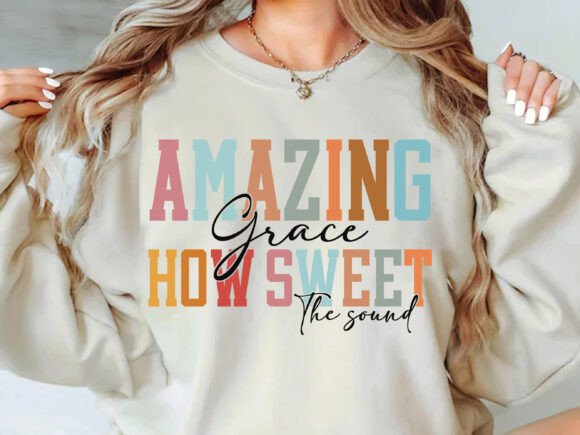
When Religious How Sweet the Sound Christian opens in my embroidery software, it doesn’t shout—it breathes. The layout is centered and unhurried: soft serif lettering for “How Sweet the Sound,” a subtle cross motif integrated into the “t” or nestled just below, and gentle script flourishes that feel handwritten rather than digitized. There’s no aggressive shadowing, no overwrought scrollwork, no forced symmetry. It reads as sincere, not performative—a design made for quiet reflection, not social media clout. That matters deeply when you’re stitching for real people: a new mom choosing nursery decor, a church volunteer ordering tote bags for a women’s retreat, or an Etsy seller building a cohesive line of faith-based handmade products.
Real-World Test: A Linen Tea Towel for a Pastor’s Retirement Gift
Last week, I stitched Religious How Sweet the Sound Christian onto a heavyweight natural linen tea towel—intended as a retirement gift for a longtime pastor. Why this combo? Linen’s texture demands clarity, and tea towels get washed constantly. The design held up beautifully: the satin-stitched letters stayed crisp, the cross remained legible (no thread pooling), and the overall density felt balanced—not so sparse it looked unfinished, not so heavy it stiffened the fabric. Customers who saw the mockup responded with warmth, not confusion. That’s the sign of a well-considered T-Shirt Designs asset: it translates emotionally *and* technically across materials.
Where It Shines—and Where It Needs Thought
- Custom apparel: Works cleanly on crewneck sweatshirts (left chest placement), relaxed-fit tees, and unstructured canvas totes. The moderate height and open letter spacing prevent crowding on knit fabrics.
- Baby embroidery: Ideal for onesies and burp cloths—its gentle scale avoids overwhelming tiny garments, and the theme resonates with faith-centered parents seeking meaningful, non-clichéd designs.
- Patches & aprons: Holds detail well when digitized for twill or cotton patch backing. On chef or gardening aprons, it adds quiet intention without competing with function.
- Holiday & gift embroidery: Fits naturally on Christmas stockings, Easter pillow covers, or baptismal blanket corners—timeless enough to avoid seasonal datedness.
Use With Intention—Not Assumption
This isn’t a one-size-fits-all machine embroidery design. Its grace depends on context:
- Avoid tight hoops under 4”: The cross element and fine serifs need breathing room. Below 3.5”, details blur—especially on textured fabrics like terry cloth or fleece.
- Test stabilizer choice carefully: On thin cotton (like baby bodysuits) or stretchy jersey, a lightweight cutaway + tear-away combo prevents puckering. Skip the heavy fusibles—they mute the design’s softness.
- Dark fabric? Prioritize contrast: Light ecru or ivory thread reads better than stark white on navy or charcoal. Always stitch a test swatch before committing to a full run of custom apparel.
- Caps & curved surfaces: The horizontal flow works, but avoid placing it too low on the front panel—the curve distorts the cross alignment. Stick to flat zones like the back strap or side gusset.
- Frequent-wash items: Confirm stitch density isn’t overly aggressive. Dense fill stitches trap moisture; a slightly open fill (70–80% coverage) improves longevity on kitchen towels or kids’ clothing.
What This Design Says About Your Brand—Without a Word
When your customer sees Religious How Sweet the Sound Christian on a finished product, they’re reading more than lyrics—they’re sensing your judgment. Clean execution signals professionalism. Thoughtful scale says you understand garment anatomy. Subtle styling implies respect for the message—not just the market. For Etsy sellers and small shop owners, that builds trust faster than any listing description. It also elevates perceived value: a well-stitched embroidered patch with this design feels like a keepsake, not a promo item. And for craft fairs or boutique consignment, it invites conversation—not just a quick “cute!” but a pause, a smile, maybe a shared story.
Practical Designer Notes Before You Stitch
- Always test on scrap fabric first—especially if using textured, dark, or stretchy material.
- Review thread colors in natural light: what looks warm on screen may read cool or muddy under a kitchen window.
- Check small details at 200% zoom: are the cross endpoints sharp? Do serifs lift cleanly off the fill?
- Compare mockups on light vs. dark backgrounds—not just for contrast, but for emotional tone. Does it feel equally grounded on both?
- Confirm licensing scope before selling finished products or bundling the digital embroidery file in a craft business kit.
- For commercial embroidery projects, verify whether the file includes alternate versions (e.g., simplified outline-only for delicate lace overlays).
Final Thought: It’s Not Just a Design—It’s a Delivery System
Religious How Sweet the Sound Christian succeeds because it treats reverence as a design constraint—not a decorative add-on. It doesn’t try to do everything. It does one thing quietly, clearly, and consistently: deliver meaning through craft. Whether you’re stitching a single personalized gift or scaling for a church fundraiser’s batch of 50 tote bags, that focus makes the difference between a product that sits on a shelf and one that finds its way into a drawer, a nursery wall, or a grateful hand. That’s the quiet power of a well-chosen embroidery project—and why this design earns a permanent spot in my working library.